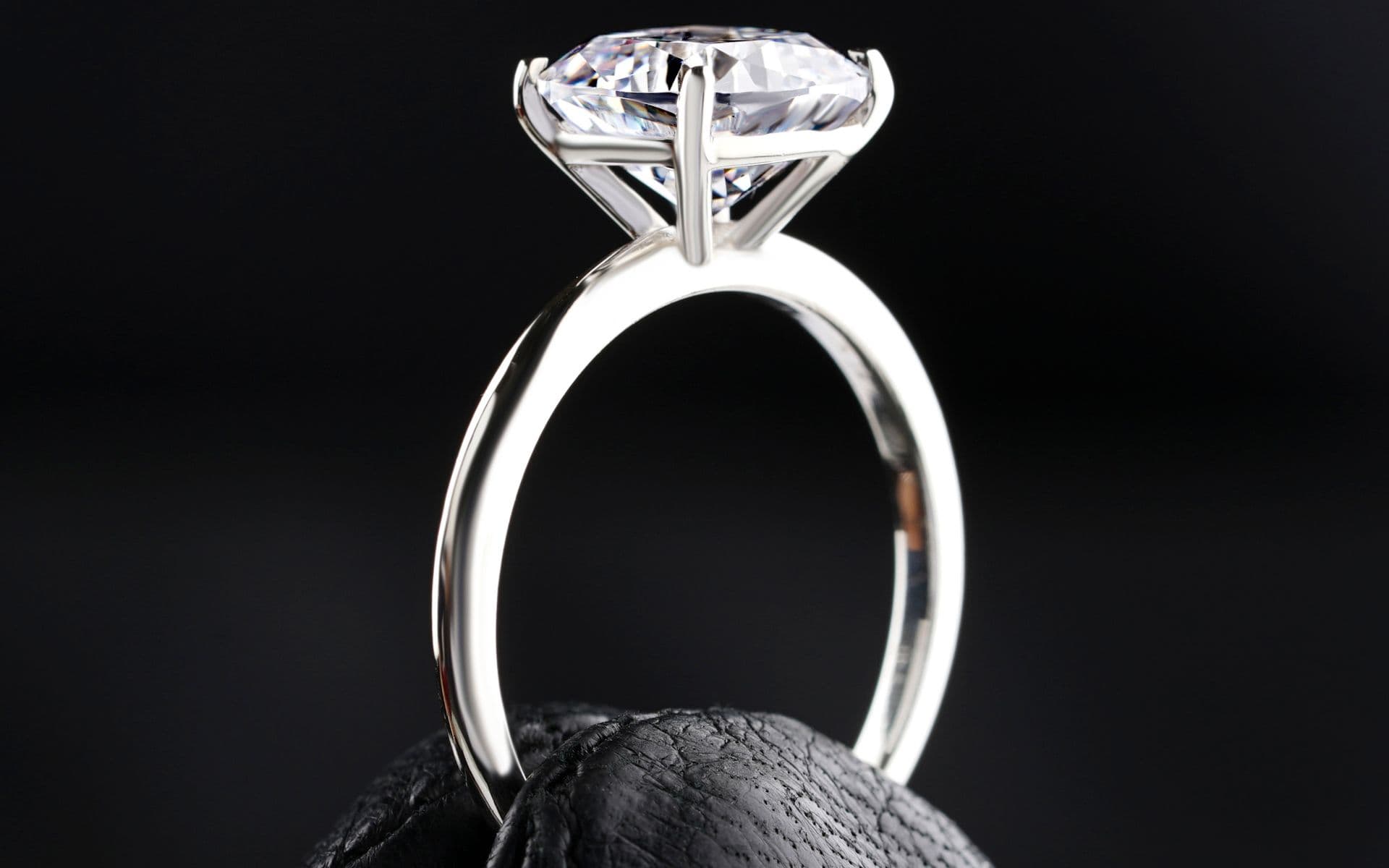
The Language of Gold
The GLISORA Atelier28 May 20264 min read

14k or 18k, yellow, white or rose - how to read gold like a jeweller and choose the alloy that suits your life.
Pure gold is a paradox: too soft for daily life, too beautiful to abandon. Every piece of fine jewellery is therefore an alloy - gold strengthened with other metals - and the choices hidden in that word shape how a piece looks, wears and ages. Here is the vocabulary, plainly spoken.
Karats are a fraction, not a grade
Karat measures purity: 24k is pure gold, 18k is 75% gold, 14k is about 58%. Higher karat is not "better" - it is softer, warmer and heavier; lower karat is harder-wearing and slightly paler. We set most engagement work in 14k and 18k for exactly this reason: they are the equilibrium points between glow and toughness.
- 18k - richer colour, noticeably more weight in the hand, our default for heirloom pieces.
- 14k - brighter surface, better resistance to scratching, the pragmatist's choice for rings worn every single day.
Colour is chemistry
Yellow gold is gold's own voice, mellowed with silver and copper. Rose gold turns the copper up until the metal blushes. White gold alloys gold with palladium or nickel, then is usually finished in rhodium for that bright, mirror-cool surface - a finish that gently wears and is simply re-plated every few years, the way good shoes are resoled.
Choose the metal for your skin and your wardrobe, then choose the stone for the metal - never the other way round.
How to choose in practice
Warm skin tones and warm wardrobes flatter yellow and rose; cool tones sharpen in white metals. Mixed-metal households are not a problem - they are a style. And if the ring will live next to a future wedding band, choose them as a pair in the same alloy, so they age at the same pace.
Unsure which gold is yours? Send a photograph of jewellery you already love to our WhatsApp concierge - the answer is usually already on your hands.