The Art of the Solitaire
The GLISORA Atelier19 June 20264 min read
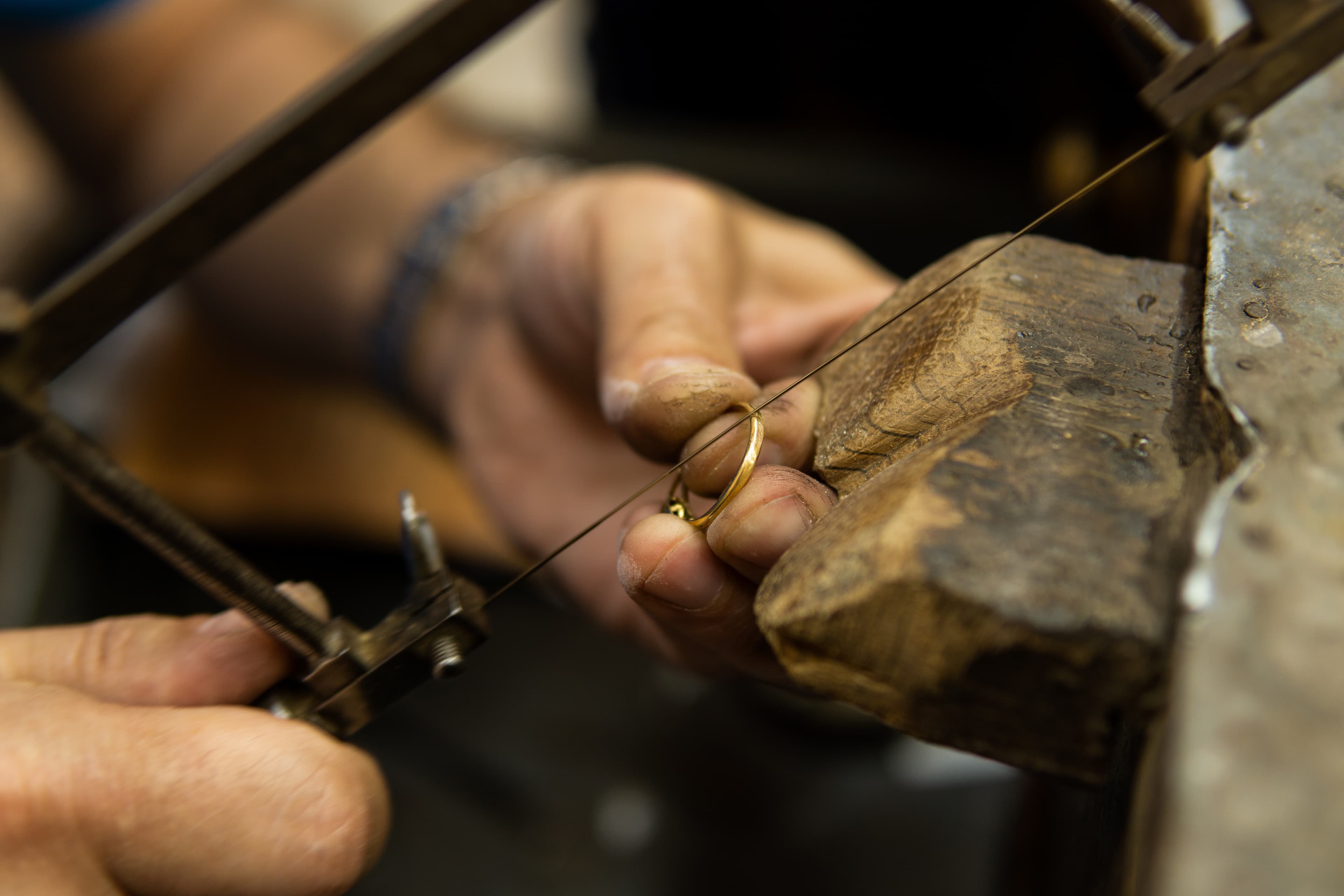
How a single stone becomes a lifetime piece - from rough to brilliance.
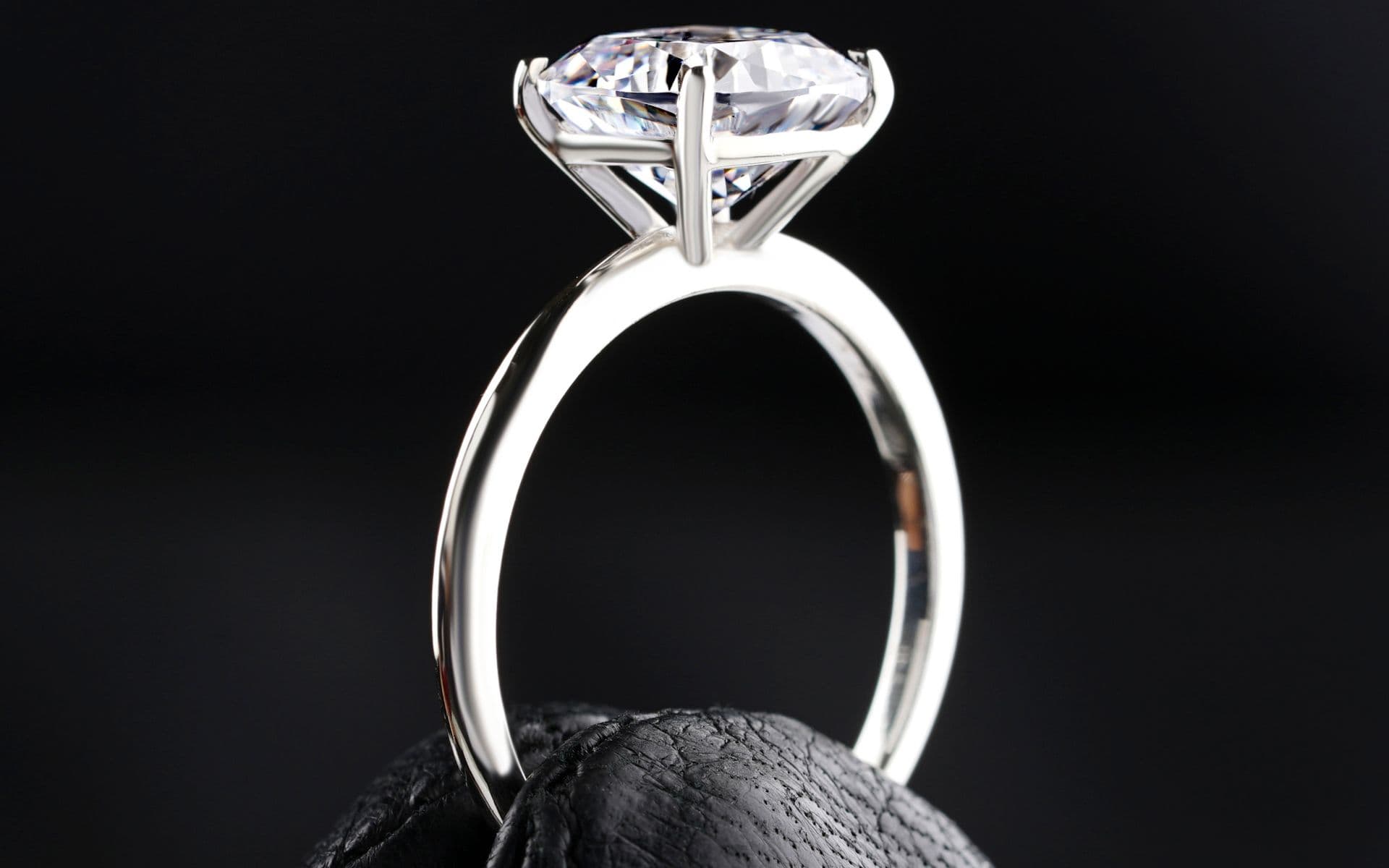
Of all the pieces that leave our atelier, none is less forgiving than the solitaire. There is nowhere to hide: one stone, one setting, and the light. Every decision - the height of the crown, the taper of the band, the angle of each prong - is visible to anyone who looks closely. And people always look closely at a solitaire.
It begins with the stone
Before a single sketch is drawn, our buyers sit with the diamond. Certificates tell us the measurable truths - carat, colour, clarity, cut - but paper cannot tell you how a stone behaves at dusk, or under candlelight, or on a moving hand. We turn it under the loupe, then away from the loupe, because a solitaire is worn in daylight, not in a laboratory.
A great solitaire is not the largest stone you can afford. It is the stone you stop noticing the setting of.
The mount must disappear
Our setters speak of the mount as a servant of the stone. Four prongs or six, cathedral shoulders or a straight run - each choice is made to hold the diamond as high and as openly as safety allows, so light enters from every side. The metal is polished where it shows and finished just as carefully where it does not, because the wearer will know.
What we check before it leaves
- Symmetry under the loupe - prong tips even, gallery centred, culet aligned to the axis of the band.
- Security - every prong pressed and tested; a solitaire should survive decades, not seasons.
- The hand test - the ring is worn, turned, and knocked gently against wood. If it snags a sleeve, it goes back to the bench.
Only then is the piece cleaned, hallmarked and photographed for its certificate wallet. From rough crystal to finished ring, a solitaire may pass through eight pairs of hands. Each one signs for it.
To create a solitaire of your own, or to see stones side by side with our concierge, reach us on WhatsApp at any time.